Aluminum Castings: Optimizing Strength-to-Weight Ratio
Wiki Article
Light weight aluminum Castings 101: Comprehensive Info and High Quality Services for Your Jobs
Light weight aluminum castings offer a reliable choice for various sectors, using an unique mix of durability and lightweight qualities. Recognizing the various spreading processes is important for choosing the most effective approach for details tasks. As innovation advances, the landscape of light weight aluminum casting proceeds to change, opening up new possibilities. Exploring the nuances of these methods reveals critical insights that can influence project results considerably. What elements should one take into consideration when choosing a casting service?Comprehending Light Weight Aluminum Spreading Processes
Aluminum casting procedures serve as a foundation for producing a vast range of steel components used in various markets. These processes involve the transformation of liquified light weight aluminum right into specific forms via molds. Usual techniques consist of sand spreading, die casting, and financial investment casting, each offering one-of-a-kind advantages based on the application.In sand spreading, a blend of sand and binder creates a mold, permitting complex styles and greater flexibility in production. Die casting makes use of high-pressure methods to inject molten light weight aluminum into steel molds, causing precise measurements and smooth finishes. Investment casting, additionally referred to as lost-wax casting, enables very detailed elements, making it suitable for intricate geometries.
Recognizing these processes is vital for manufacturers and designers to select the appropriate technique for their tasks. Each method contributes distinct features to the end product, impacting its performance and viability for particular applications in various markets.
Advantages of Using Light Weight Aluminum Castings
The advantages of utilizing light weight aluminum castings are significant, making them a favored selection across countless markets. Light weight aluminum castings supply exceptional strength-to-weight ratios, making certain that components continue to be light-weight without giving up resilience. This characteristic is especially advantageous in applications where lowering weight is crucial, such as in aerospace and vehicle fields.Additionally, light weight aluminum's natural rust resistance enhances the durability of actors elements, lowering the requirement for safety coverings and upkeep. The versatility of light weight aluminum permits for elaborate styles and forms, allowing makers to produce complicated components with precision.
Aluminum castings show exceptional thermal and electric conductivity, making them suitable for electric elements and heat-exchanging applications. The reusing capabilities of aluminum additionally add to environmental sustainability, as it can be melted and reused with minimal energy expense. In general, these benefits highlight aluminum castings' increasing fostering in contemporary manufacturing procedures, mirroring their performance and reliability.
Typical Applications of Light Weight Aluminum Castings
Widely recognized for their flexibility, light weight aluminum spreadings locate application across different sectors, including automobile, aerospace, and electronic devices. In the vehicle market, they are frequently utilized for engine components, transmission situations, and structural components, offering lightweight services that improve gas efficiency (Aluminum Castings). Aerospace applications gain from aluminum castings partially such as braces, housings, and structural components, where strength-to-weight ratio is crucialIn electronics, aluminum castings function as units and heat sinks, efficiently dissipating warm while giving protection for delicate elements. The appliance market makes use of light weight aluminum castings for different fixtures and housings, guaranteeing sturdiness and visual appeal. Furthermore, the construction field utilizes light weight aluminum castings in attractive functions and building components, blending capability with layout. In general, the varied applications of aluminum spreadings show their important role in modern-day manufacturing, driven by their one-of-a-kind residential or commercial properties and flexibility to meet industry-specific demands.
Kinds Of Light Weight Aluminum Casting Techniques
The numerous aluminum casting strategies each deal special advantages suited to various applications. Sand casting is recognized for its versatility and cost-effectiveness, while die spreading provides superb dimensional accuracy and surface area coating. Financial investment casting, on the other hand, is celebrated for its capacity to produce detailed geometries with high accuracy.Sand Spreading Refine
Sand casting sticks out as one of the most popular techniques for aluminum spreading due to its versatility and cost-effectiveness. This process entails creating a mold and mildew from sand, which is after that loaded with molten light weight aluminum to produce a wanted shape. The sand mix usually includes silica clay, sand, and water, supplying the needed toughness and flexibility for mold and mildew development. When the molten metal is put right into the mold, it cools and solidifies, after which the sand is gotten rid of, disclosing the actors component. Sand casting is specifically beneficial for creating large elements and complicated geometries. Additionally, it suits low production volumes effectively, making it ideal for prototypes and custom-made parts. Generally, sand spreading stays a fundamental method in the light weight aluminum casting industry.
Die Casting Advantages
Pass away casting deals numerous advantages that make it a popular selection in the light weight aluminum spreading field. This technique permits the manufacturing of intricate shapes with high dimensional accuracy, decreasing the need for comprehensive machining. Furthermore, pass away casting is characterized by its quick production price, enabling suppliers to fulfill large-volume needs efficiently. The process additionally leads to a smooth surface finish, which decreases post-processing needs. Additionally, pass away casting utilizes multiple-use mold and mildews, resulting in Aluminum Castings lower per-unit prices in time. The inherent toughness and lightweight residential properties of aluminum enhance the longevity of the end products, making them ideal for numerous applications. In general, die casting offers a combination of effectiveness, precision, and cost-effectiveness that interest many markets.Investment Spreading Accuracy
Financial investment spreading is renowned for its accuracy and ability to create intricate designs with tight resistances, making it an extremely regarded method in the light weight aluminum casting landscape. This method includes producing a wax pattern, which is coated with a ceramic shell and ultimately warmed to remove the wax, leaving a mold and mildew for liquified aluminum. The reduced thermal expansion of the materials guarantees dimensional accuracy and repeatability in manufacturing. Financial investment casting is especially helpful for intricate shapes and thin-walled elements, which are testing to accomplish with various other spreading strategies. In addition, the surface area finish gotten can often minimize the need for substantial machining, additional improving its performance for high-precision components used in numerous markets, including aerospace and vehicle.Quality Assurance in Light Weight Aluminum Casting Production
Quality control in light weight aluminum spreading production is necessary to guarantee that items meet industry standards and consumer expectations. This includes numerous inspection strategies and methods to assess the honesty and high quality of the castings. Furthermore, conformity with recognized policies is important to maintaining item safety and security and efficiency.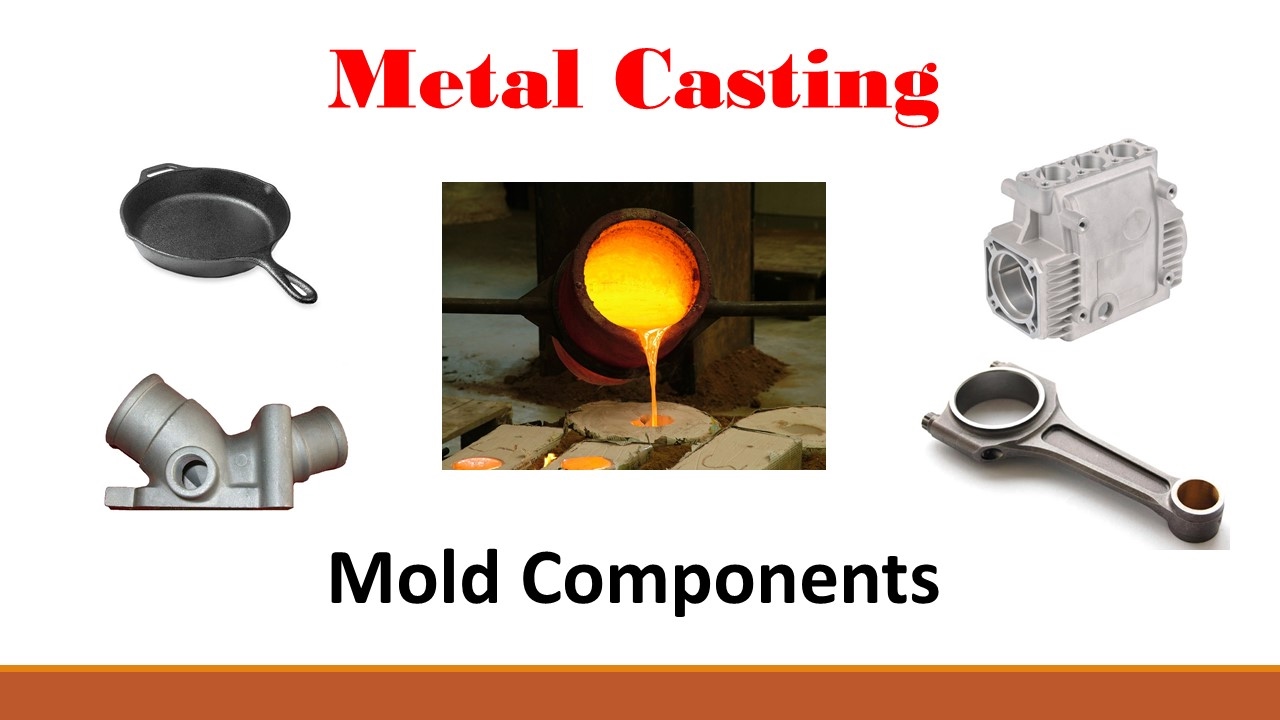
Inspection Techniques and Methods
Reliable assessment strategies and techniques are necessary for guaranteeing the stability and efficiency of aluminum castings. Numerous methods are used to guarantee and identify flaws top quality throughout the manufacturing procedure. Aesthetic evaluations are typically conducted to determine surface irregularities, while non-destructive testing approaches, such as ultrasonic and radiographic evaluations, review interior structures without jeopardizing the product. Furthermore, dimensional inspections making use of coordinate determining machines (CMM) confirm that spreadings satisfy defined tolerances. Chemical structure analysis guarantees that alloy specs are fulfilled, adding to the total high quality. Furthermore, implementing methodical sampling and analytical procedure control aids keep track of manufacturing consistency. By making use of these diverse assessment strategies, suppliers can promote high criteria, inevitably causing durable and dependable aluminum spreadings for numerous applications.
Requirements and Compliance Rules
While adhering to strict criteria and conformity policies is important in aluminum casting manufacturing, it additionally guarantees that items fulfill market specs and consumer expectations. Compliance with requirements such as ASTM, ISO, and SAE ensures that light weight aluminum castings possess the needed mechanical residential or commercial properties, dimensional precision, and surface finish. Manufacturers should execute top quality control systems that include regular audits, screening, and paperwork to validate conformity. Additionally, accreditations such as ISO 9001 demonstrate a dedication to top quality administration methods. By following these guidelines, manufacturers can reduce dangers related to defects and boost item dependability. Ultimately, adherence to established standards fosters trust fund and complete satisfaction amongst clients, placing firms positively within affordable markets while promoting constant renovation in producing processes.Selecting the Right Light Weight Aluminum Spreading Solution
Just how can one guarantee they select one of the most appropriate aluminum spreading service for their job? To start, it is crucial to analyze the provider's experience and experience in the details sort of light weight aluminum casting required. Examining their portfolio can disclose their ability to handle similar projects efficiently. Furthermore, evaluating customer testimonies and looking for recommendations can provide understandings into their integrity and high quality of job.Next, one need to think about the variety of services supplied, including layout support, prototyping, and ending up choices. A detailed service company can enhance the production process and assurance uniformity in quality. Furthermore, it is vital to confirm conformity with industry standards and regulations, making specific the solution satisfies needed specs.
Lastly, obtaining quotes and comparing prices frameworks permits notified choices while thinking about value over cost. By following these guidelines, one can with confidence choose an aluminum casting solution that fulfills project requirements and expectations.
Future Trends in Aluminum Casting Technology
As the aluminum spreading market evolves, emerging technologies are readied to reshape production processes and boost performance. Advancements in additive manufacturing, particularly 3D printing, are enabling fast prototyping and decreased preparations. This technology enables more complicated designs that were formerly unattainable with conventional methods. Additionally, the integration of expert system and maker learning is improving quality assurance, forecasting issues, and enhancing production timetables.Sustainability stays an essential fad, with an increasing concentrate on reusing light weight aluminum and lowering waste during spreading. Firms are spending in energy-efficient heaters and procedures to reduce their carbon impacts. Additionally, smart spreading strategies that integrate IoT sensors are boosting surveillance capabilities, providing real-time information to improve operational effectiveness.
These patterns show a change in the direction of even more ingenious, lasting, and effective practices in the light weight aluminum spreading sector, making certain that it remains competitive in a rapidly transforming production landscape.
Frequently Asked Inquiries
What Is the Normal Lead Time for Light Weight Aluminum Casting Projects?
The normal lead time for aluminum spreading tasks varies from four to eight weeks, depending upon aspects such as layout complexity, production quantity, and the producer's abilities, ensuring quality and timely delivery to customers.Just how Do I Establish the Right Alloy for My Task?
To figure out the appropriate alloy for a task, one need to examine mechanical residential properties, deterioration resistance, thermal conductivity, and desired application. Consulting with experts and referencing material specs can lead the choice procedure efficiently.Can Aluminum Castings Be Recycled After Usage?
Yes, aluminum castings can be recycled after use. The recycling process is effective, saving energy and resources. This sustainable method assists lower environmental influence while advertising a circular economy within the metal market.What Are the Expense Aspects for Aluminum Casting Providers?

Exist Environmental Regulations Related to Aluminum Casting?
Yes, there are ecological regulations associated with aluminum casting. These guidelines aim to reduce discharges, handle waste, and warranty lasting practices, needing producers to stick to rigorous standards to safeguard air, water, and land high quality.Sand casting is recognized for its versatility and cost-effectiveness, while die casting gives excellent dimensional precision and surface finish. Sand spreading stands out as one of the most popular techniques for light weight aluminum spreading due to its adaptability and cost-effectiveness. Financial investment casting is renowned for its accuracy and capability to produce intricate designs with limited resistances, making it a highly related to technique in the light weight aluminum casting landscape. Financial investment spreading is especially beneficial for intricate forms and thin-walled elements, which are testing to achieve with various other casting methods. As the aluminum spreading sector advances, arising modern technologies are set to reshape production procedures and improve performance.
Report this wiki page